A lot of people assume a quilt is just a stripped-down sleeping bag. It's really a different idea altogether: get rid of the insulation that gets squashed flat underneath your body anyway, since crushed insulation barely keeps you warm. Your sleeping pad handles the bottom, and the quilt just covers the top and sides. For most hikers, that trade-off means less weight, more comfort, and fewer 3am moments of kicking off a zipper because you're overheating. But if you sleep cold, or you're heading out in winter, a traditional bag is still going to serve you better.
What Is a Backpacking Quilt?
Think of a quilt as the top half of a sleeping bag. There's no zipper and no insulated underside enclosing you completely. It drapes over you like a blanket and typically straps to your sleeping pad so it doesn't slide off in the night. The logic is simple: insulation gets crushed flat under your body weight while you sleep, so it's doing almost nothing for your warmth anyway. Cut it out and you save weight and pack space, without losing much real warmth, as long as you're using the quilt the way it's meant to be used.
Why Many Backpackers Choose Quilts
Ask any experienced backpacker and they'll tell you: cutting pack weight does more for your trip than dropping money on ultralight gadgets elsewhere. A good quilt typically saves 150 to 400 grams over a similarly rated sleeping bag. Doesn't sound like much on paper. But swap one item and you've made one of the biggest single dents you can make in your whole sleep system's weight.
1. Lower Weight
Ditch the full-length zipper, the hood, and the bottom insulation you don't need, and a quilt just weighs noticeably less than a sleeping bag with the same temperature rating. That's exactly why thru-hikers gravitate toward them. Save a few hundred grams and multiply that by thousands of kilometers on the trail, and it adds up fast.
2. Smaller Packed Volume
Quilts also stuff down small. Less insulation means less bulk, which frees up room in your pack for extra food, or lets you get away with a smaller pack altogether. On multi-day trips, where every liter counts, that extra space is worth more than it sounds.
3. Better Temperature Regulation
Overheating is probably the most common complaint about sleeping bags. You know the drill: half-unzip it, stick a leg out, try to find some middle ground. A quilt just sidesteps the whole problem. Lift an edge or open up one side, and you're done, no wrestling with a zipper at 2am. That's what makes them so comfortable on the kind of summer nights where the temperature swings between the time you fall asleep and when you wake up.
4. Greater Comfort for Side Sleepers
If you're a restless sleeper who rolls from side to side all night, you'll probably like quilts a lot more than bags. There's no fighting a narrow mummy bag to turn over. You just move, and the straps keep the insulation roughly where it should be. A lot of quilt users say it just feels like sleeping under a regular blanket at home.
Warm Weather
Ideal for late spring through early fall.
Good Sleeping Pad
A quality insulated pad provides the missing bottom insulation.
Weight Matters
Excellent for ultralight backpacking.
Experienced Users
Works best once you learn proper strap adjustment and campsite setup.
When a Quilt Is the Better Choice
A quilt makes the most sense for three-season trips, where overnight temps stay comfortably above its rating and shaving weight actually matters to you. Backpackers in Banff in July, Yosemite in midsummer, or thru-hikers on the Pacific Crest Trail lean on quilts for most of the season, and it works. Pair one with a decent insulated sleeping pad and a good down quilt keeps you plenty warm, all while weighing noticeably less than a comparable bag.
Summer Backpacking
Summer is where quilts really shine. Mild nights mean a stray draft here and there isn't a big deal, so you get to enjoy the comfort and airflow without really paying for it. On the warmest nights, it's basically just a light blanket at that point.
Ultralight Backpacking
If you're chasing a lighter base weight, swapping your bag for a quilt is usually one of the first moves, before you start throwing money at pricier gear elsewhere. The savings are real, and you don't have to overhaul the rest of your kit to get them.
Trips With Variable Temperatures
Warm days that cool off moderately at night are exactly where quilts earn their keep. No fiddling with a zipper every couple of hours. Just open or close a section as needed and go back to sleep.
When a Sleeping Bag Is the Better Choice
None of this means quilts win every time, though. Sleeping bags still have real advantages once the weather turns cold, the wind picks up, or you'd just rather have maximum warmth and zero fuss than shave off grams.
Below-Freezing Temperatures
Once temps get close to freezing, even small drafts start to matter a lot. A sleeping bag wraps all the way around you and comes with an insulated hood, so it just holds heat better through the night. If you run cold, a bag will forgive a lot more than a quilt will in these conditions.
Winter Camping
Winter doesn't leave much room for error. Between snow camping, frozen ground, and long stretches below freezing, you can't afford to lose much heat. Some experienced winter backpackers do make quilts work, but for most people a properly rated winter bag is just the safer bet.
Very Windy Campsites
Wind finds its way into a tent more than you'd think, and a quilt has more gaps for it to sneak through. A sleeping bag's all-around insulation shuts that down. Camp somewhere exposed and alpine, and that difference is going to show up in how well you sleep.
Beginning Backpackers
Sleeping bags are about as plug-and-play as it gets. Quilts usually need their straps adjusted to match your sleeping position and pad width, which takes a bit of trial and error. Most new backpackers find bags easier to deal with until they've gotten used to how a quilt system works.
| Feature | Backpacking Quilt | Sleeping Bag |
|---|---|---|
| Weight | Excellent | Good |
| Packed Size | Excellent | Good |
| Warm Weather Comfort | Excellent | Good |
| Cold Weather | Fair | Excellent |
| Draft Protection | Moderate | Excellent |
| Side Sleepers | Excellent | Good |
| Ease of Use | Moderate | Excellent |
| Winter Backpacking | Limited | Recommended |
TrailReady Recommendation: Mostly hiking late spring through early fall, and already have a good insulated pad? Go with a quilt. It'll be lighter and more comfortable. Camp below freezing a lot, or know you run cold at night? Stick with a sleeping bag.
The Sleeping Pad Matters Just as Much
Whichever one you pick, your sleeping pad is doing most of the work insulating you from the ground. Skimp on that and even the warmest quilt or bag will still leave you cold. That goes double for quilts, since they're built assuming the pad is handling the bottom insulation entirely. For summer trips, an R-value of about 2 to 4 usually gets the job done. Shoulder season generally calls for something in the 4 to 5 range, and winter camping is where you want to be north of 5.
Comparing Three Popular Quilts
To show how this plays out between actual products, here's how three quilts compare once you line them up near the same cold-weather rating. We picked the coldest-rated model each brand offers close to 20°F (-6°C), since that's the range most three-season backpackers shop in. Worth noting: manufacturers don't all rate their quilts the same way. Enlightened Equipment and Ice Flame both publish a limit rating, while Neve Gear publishes a women's/cold-sleeper comfort rating, so the numbers below aren't perfectly apples-to-apples even though they land in a similar range.
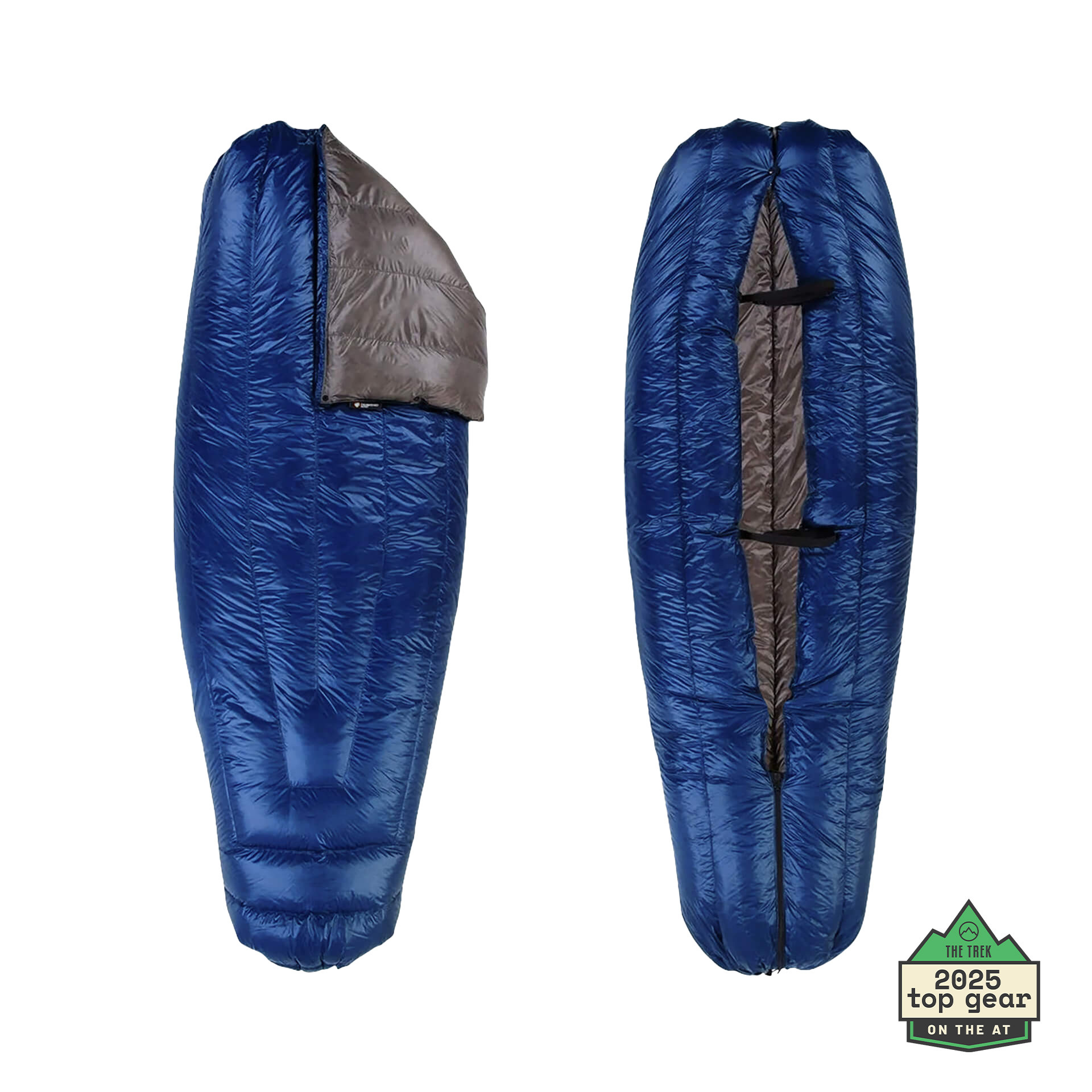
From our own trips: My daughter has used the Revelation 20°F on our August backpacking trips in Banff for the past few seasons, and she's never once been cold in it. Nights up there can dip close to freezing even in summer, and paired with a decent insulated pad, it's kept up every time.
| Feature | Enlightened Equipment Revelation 20°F | Ice Flame Photon EX | Neve Gear Waratah -8°C |
|---|---|---|---|
| Temperature Rating | 20°F / -6°C (limit) | 14°F / -10°C (limit) | 18°F / -8°C (women's/cold-sleeper comfort) |
| Insulation | Down, 850FP standard (950FP upgrade available) | Down, 800FP or 900FP goose | Down, 850+FP duck |
| Weight | ~20–22.5 oz (567–638g), Regular size | ~27.3 oz (775g), Regular size | ~20 oz (563g), estimated for the redesigned model |
| Compressed / Packed Size | ~5–8 liters (5L in a dedicated compression sack, up to 8L in the stock stuff sack) | ~7.6 liters (calculated from the stated 30 x 18cm stuff sack, assumed cylindrical) | ~4 liters compressed |
| Shell Fabric | 10D, 15D, or 20D nylon (customizable) | 7D ripstop nylon, DWR-treated | 10D nylon taffeta |
| Customization | Highly customizable: length, width, fill power, fabric weight, color | Moderate: size, down quality, and down quantity options | Moderate: length and comfort rating options |
| Price (USD, approx.) | $260–$345 USD, depending on options | $347–$387 USD | $290–$330 USD, depending on length |
| Where to Buy | Enlightened Equipment (official site). Not currently sold on Amazon. | Ice Flame (official site). The Photon EX itself isn't on Amazon, but Ice Flame's warmer-rated NXT quilt (44°F/55°F) is on Amazon. | Neve Gear (official site). Not currently sold on Amazon. |
Reading the numbers: The Revelation gets you the lightest, smallest-packing option of the three at its 20°F rating, and its made-to-order customization is hard to match. The Photon EX runs heavier because it's built more like a hybrid sleeping bag that unfolds into a quilt, which explains why it's rated a bit colder (14°F) than the other two. The Waratah lands in between on weight but packs down smaller than either, and since its rating is a comfort rating rather than a limit rating, a warm sleeper could reasonably expect to push it several degrees colder than the 18°F figure suggests.
Common Mistakes When Switching to a Quilt
- Choosing a quilt solely because it is lighter without considering expected temperatures.
- Using a low R-value sleeping pad.
- Leaving large gaps around the shoulders that allow drafts.
- Purchasing a quilt that is too narrow for side sleeping.
- Ignoring personal sleeping habits. People who naturally sleep cold often prefer sleeping bags.
Decision Checklist
- Most trips are between May and September.
- You prioritize reducing backpack weight.
- You already own an insulated sleeping pad.
- You frequently overheat in sleeping bags.
- You mostly backpack below tree line or in moderate weather.
If most of these statements describe your backpacking style, a quilt is likely worth considering.
Related TrailReady Guides
Continue planning your backpacking sleep system with these TrailReady guides.
- How to Choose a Backpacking Sleeping Bag
- Sleeping Pad R-Value Guide
- Compression Dry Bags for Backpacking
- All TrailReady Guides
Frequently Asked Questions
Are quilts really as warm as sleeping bags?
Pair one with a suitable insulated pad and stay within its rating, and yes, a quilt keeps you about as warm as a sleeping bag for most three-season trips.
Do quilts work for side sleepers?
Yes, and often better than sleeping bags: you can move around underneath a quilt without twisting insulation or fighting the shape of a mummy bag.
Can beginners use a backpacking quilt?
They can, though a sleeping bag is a bit more forgiving to start out with. You'll need to figure out strap positioning and how to cut down on drafts, but it doesn't take long to get the hang of it.
Do quilts save much weight?
It varies by model, but 150 to 400 grams less than a similarly rated sleeping bag is a fairly typical range.
Can I use a quilt below freezing?
Some experienced backpackers do it successfully, but it comes down to the quilt's design, how well insulated your pad is, what you're wearing, where you pitch your tent, and honestly, how well you personally handle the cold.
Should cold sleepers choose quilts?
If you consistently sleep cold, you'll probably be happier in a traditional sleeping bag, especially once you're into shoulder-season or winter trips.
How TrailReady Helps
TrailReady looks at your destination, expected overnight temps, season, elevation, trip length, and pack size to point you toward the right sleep system. Rather than just going off manufacturer ratings, it helps you match your gear to the conditions you'll actually be sleeping in.
Use TrailReady to build a backpacking gear list tailored to your next adventure.
References
- American Society for Testing and Materials (ASTM). ASTM F3340 Standard Test Method for Thermal Resistance of Camping Mattresses.
- International Organization for Standardization. ISO 23537 Sleeping Bags — Thermal Requirements and Testing.
- Leave No Trace Center for Outdoor Ethics. Principles for responsible camping and outdoor travel.
- Manufacturer specifications from leading backpacking quilt and sleeping bag manufacturers including Therm-a-Rest, Enlightened Equipment, Katabatic Gear, Sea to Summit, and Western Mountaineering.
Plan your next backpacking trip with TrailReady.