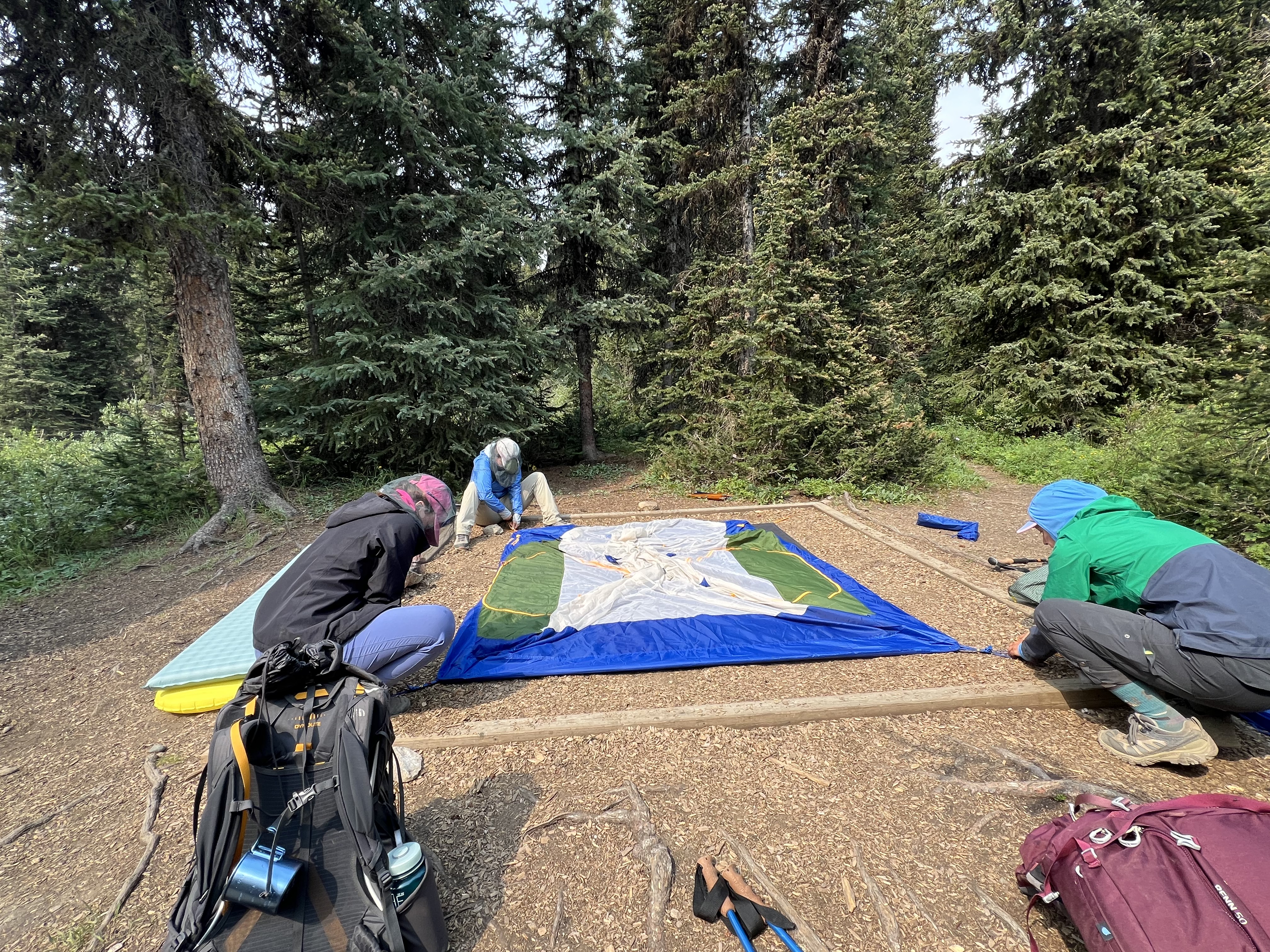
Every year, my two daughters and I spend at least a week backpacking in Banff. We're not very tall—more on the petite side—and that's why we pay close attention to what goes into our packs. Food takes up more space and weight than you'd expect, so we made sure to choose the lightest and most packable gear we could find. At night, like most women, we feel the cold more. That's why we always pick sleeping bags based on the comfort rating, not the limit rating. This guide is based on what we learned over 4 years and the climate requirements in Banff in August.
Our Gear System
| Category | Our Pick | Weight | Packed Size | Key Specs | Price |
|---|---|---|---|---|---|
| Backpack |
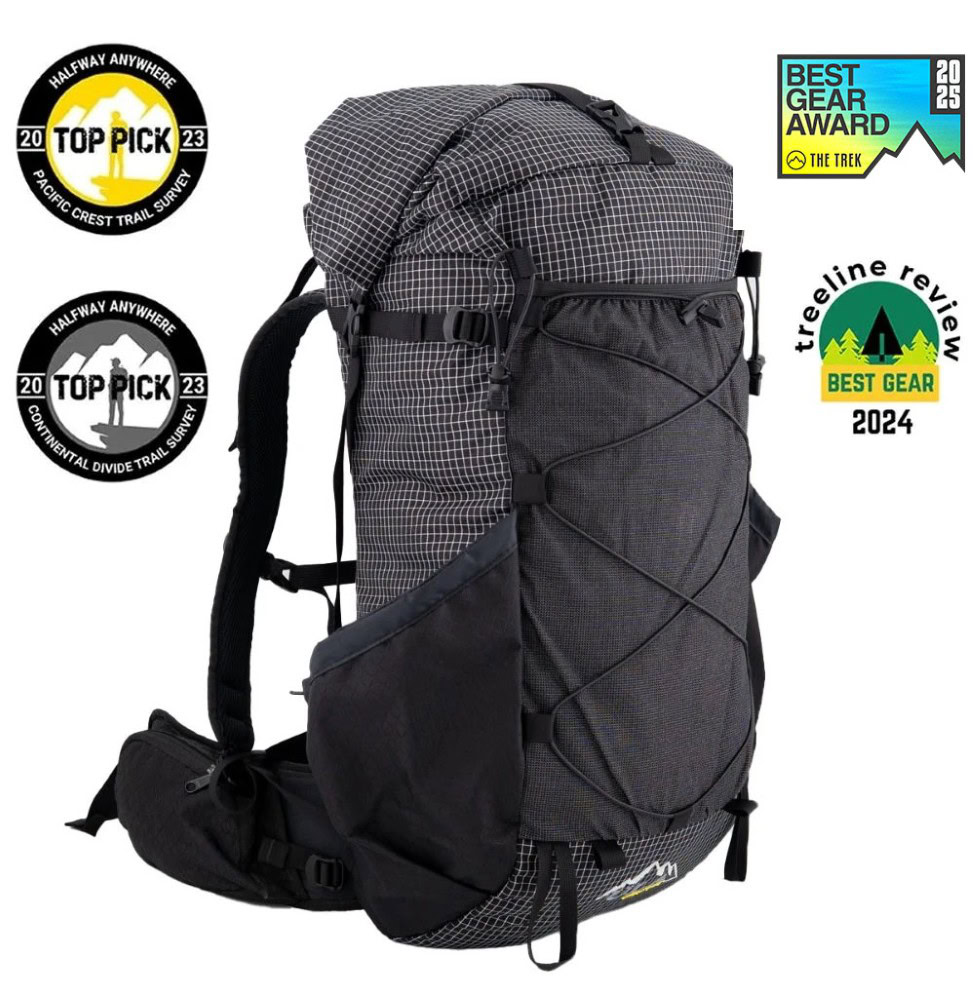 ULA Circuit Backpack
|
1.13 kg | 68 L | 68 L capacity, 16 kg recommended load, internal frame, roll-top, ultralight | USD $299.99 |
| Tent |
 NEMO Hornet OSMO 3P
|
1.49 kg | 45 × 20 cm | 3-person, 2 doors, 2 vestibules, semi-freestanding, 1200 mm fly, 1500 mm floor | CAD $749.95 |
| Sleeping Quilt |
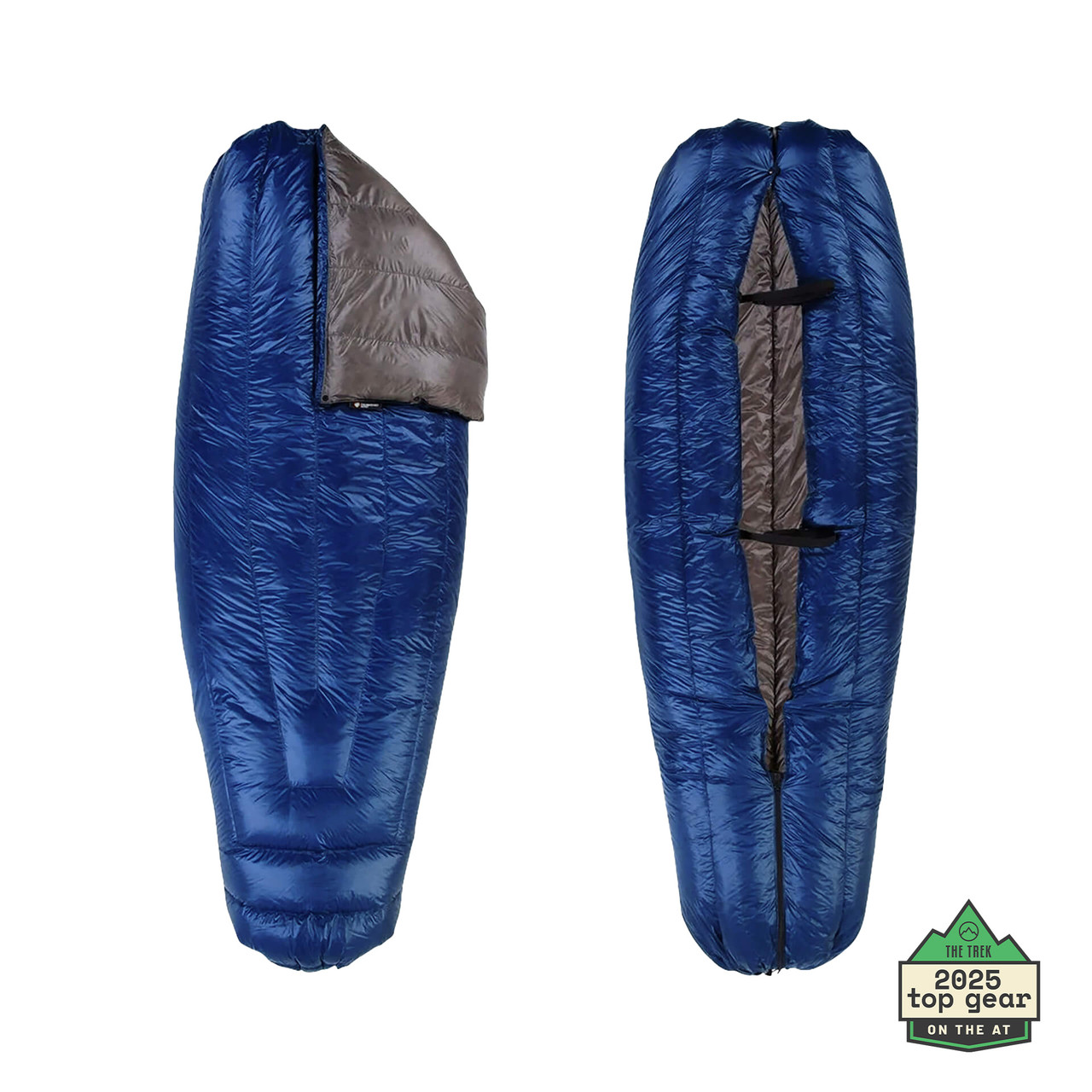 Enlightened Equipment Revelation Quilt
|
544 g | 10 L | 850 fill-power down, -6°C rating, 10-denier nylon, adjustable footbox | USD $370.00 |
| Sleeping Pad |
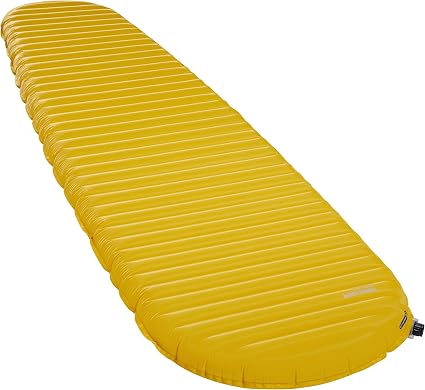 Therm-a-Rest NeoAir XLite NXT
|
350 g | 23 × 10 cm | R-value 4.5, 7.6 cm thick, 30-denier nylon | CAD $269.95 |
| Stove |
 MSR PocketRocket 2
|
73 g | 0.3 L | 2.8 kW output, 3.5 min boil time (1 L), 9.5 cm diameter | CAD $89.00 |
| Water Filter |
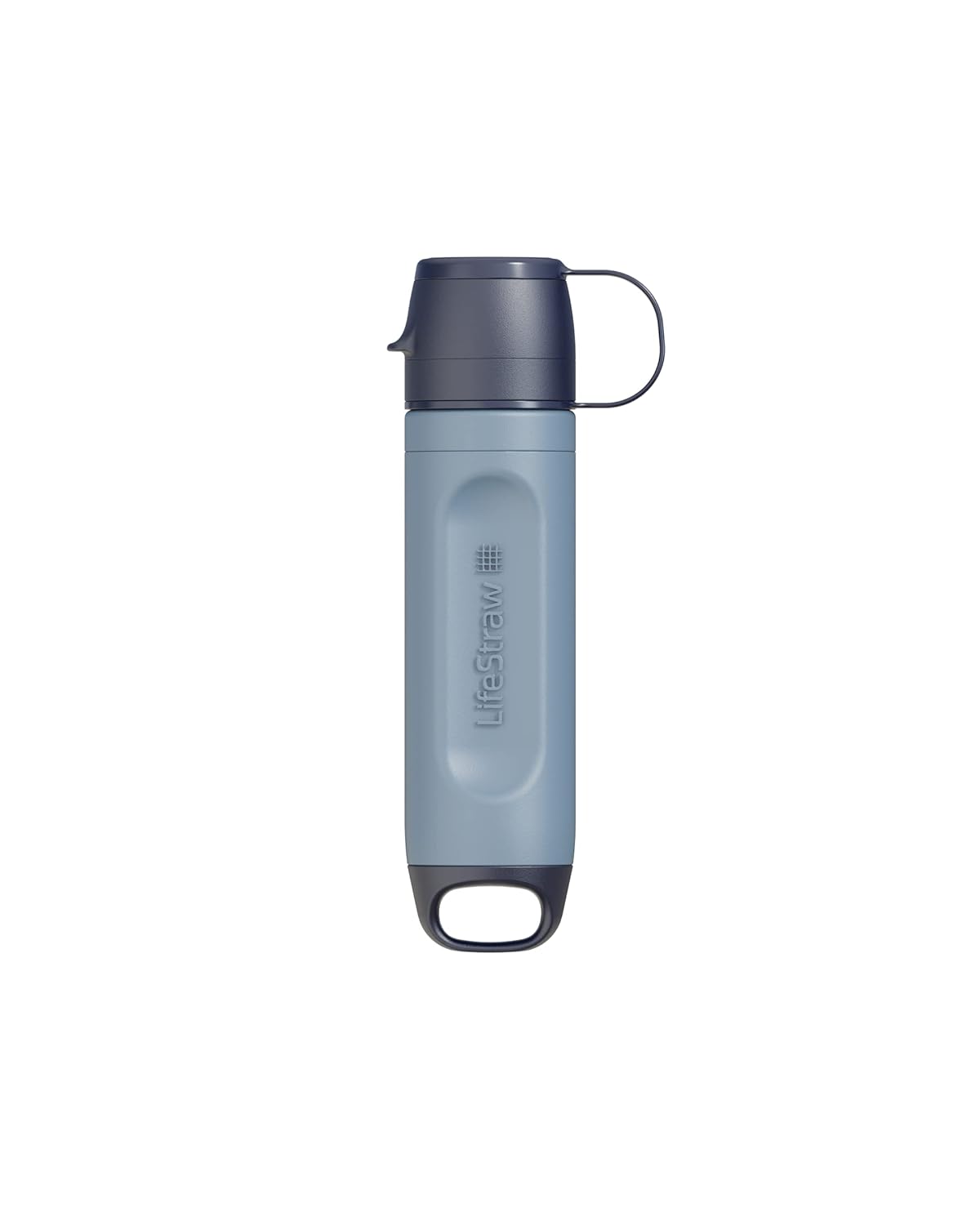 LifeStraw Peak Series Solo
|
Not specified | Not specified | 0.2 μm pore size, 2000 L cartridge life, Top Recommended | CAD $29.24 |
| Dry Bag |
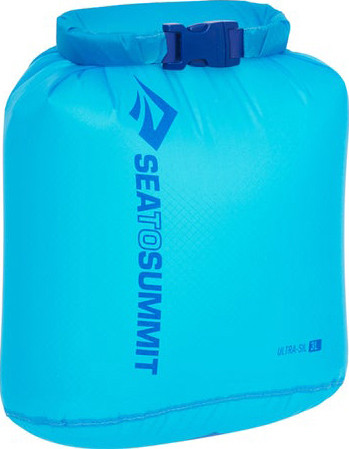 Sea to Summit Evac Compression Dry Bag (10L)
|
113 g | 39.4 × 17.8 × 17.8 cm | 70-denier recycled PU-coated nylon, roll-top, eVent air-permeable base, 33% compression, waterproof | CAD $49.95 |
| Trekking Poles |
 LEKI Traveller Carbon
|
190 g | 43 cm | Carbon fibre, 4 sections, CLD folding system, Speed Lock Plus, 90-130 cm extended, EVA foam grips | CAD $317.42 |
| Navigation |
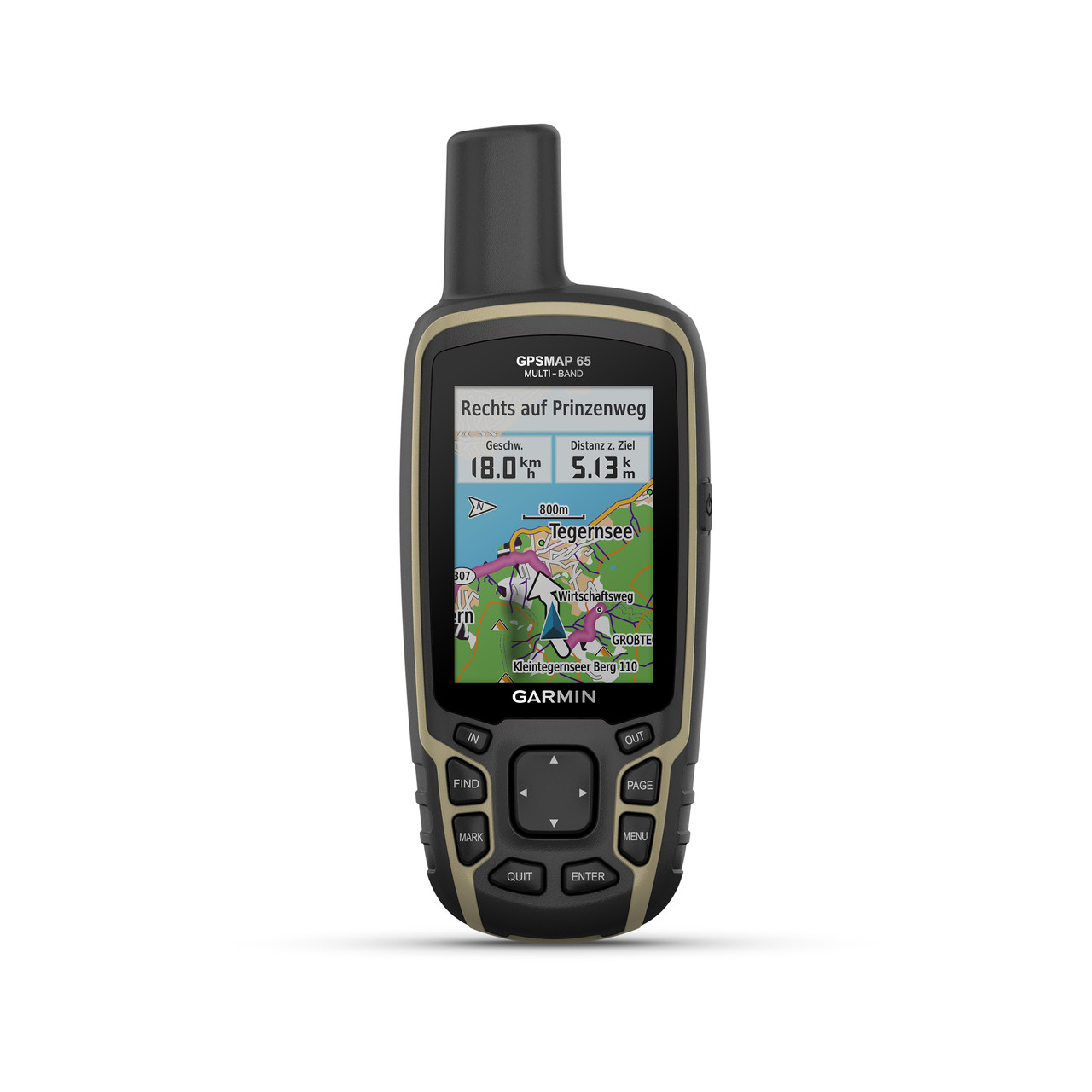 Garmin GPSMAP 65
|
217 g | 16 × 6.1 cm | 16GB memory, IPX7, 16 h battery, 5000 waypoints | CAD $469.99 |
What We Use and Why
Backpack: ULA Circuit 68 L
We use the ULA Circuit Backpack. It has 68 L of capacity and weighs 1.13 kg, which is remarkably light for a pack this size. It's bigger than we need for a 3-day trip, but there's no such thing as a too big backpack. It's better to buy a bigger backpack in case you want to go on longer trips in the future—and we do. The roll-top closure lets us compress the pack down when we're carrying less, and expand it when we need more room. The hipbelt pockets are handy for snacks, and the internal frame supports up to 16 kg comfortably. It's simple, versatile, and has served us well.
Tent: NEMO Hornet OSMO 3P
With three of us, we need a proper 3-person tent. The NEMO Hornet OSMO 3P weighs 1.49 kg and packs down to 45 × 20 cm. It has 2 doors and 2 vestibules, so each person has their own entrance and space for gear. It's semi-freestanding, which makes setup easier on Banff's wooden platforms and gravel pads. The 1200 mm waterproof fly and 1500 mm floor are sufficient for August thunderstorms. Based on our experience with Banff's conditions—where afternoon thunderstorms, hail, and even smoke from wildfires are not uncommon—this tent should work well for a 3-person trip.
Sleeping Quilt: Enlightened Equipment Revelation
We sleep cold, so we always choose sleeping bags based on the comfort rating, not the limit rating. Night temperatures in the mountains can reach 0°C and even lower, even in August. The Enlightened Equipment Revelation Sleeping Quilt has 850 fill-power down and a -6°C temperature rating. It weighs 544 g and packs down to 10 L. The quilt design saves weight compared to a traditional mummy bag and gives us more room to move at night. The adjustable footbox lets us control warmth, and the pad attachment straps keep the quilt in place. We've used it on multiple trips and it's held up well.
Sleeping Pad: Therm-a-Rest NeoAir XLite NXT
This pad has an R-value of 4.5, which is more than enough for the 0-8°C nights we encounter. It weighs 350 g and rolls down to 23×10 cm. The 7.6 cm thickness gives us enough cushion for sleeping on hard ground, and the 30-denier nylon holds up well against rocks and sticks. The pump sack included with the pad makes inflation quick and easy.
Stove: MSR PocketRocket 2
We use the MSR PocketRocket 2. It weighs 73 g and boils 1 L of water in 3.5 minutes. The stove is simple, reliable, and has a small footprint. For 3 people on a 3-day trip, a 110 g canister is enough for cooking breakfast and dinner.
Some people prefer the Jetboil Zip because it looks better and has an integrated pot and heat reflector, which makes it more efficient in windy conditions. The Jetboil also boils slightly faster and is easier to use for beginners—the pot clicks onto the stove, and you don't need to carry a separate pot. However, we prefer the PocketRocket for its lower weight (73 g vs 324 g) and smaller packed size. The weight savings add up, especially when you're carrying food for three people.
Water Filter: LifeStraw Peak Series Solo
We use the LifeStraw Peak Series Solo Water Filter, which is marked as Top Recommended in the MEC data. It has a 0.2 μm pore size and a 2000 L cartridge life. We also carry 4 dirty water bags and 4 clean water bags. This lets us filter large batches of water at camp—we fill the dirty bags from the stream, filter into the clean bags, and have enough water for cooking, drinking, and washing without multiple trips to the water source. We also each carry a Nalgene water bottle for drinking during the day.
Dry Bag: Sea to Summit Evac Compression 10L
We use the Sea to Summit Evac Compression Dry Bag (10L) to hold our sleeping quilts and clothes. It's made of 70-denier recycled PU-coated nylon and has a roll-top closure that keeps everything dry during rainstorms. The eVent air-permeable base lets air escape during compression, so we can squeeze it down to about two-thirds of its original size. The 10L capacity is just right for two quilts and a change of clothes.
Trekking Poles: LEKI Traveller Carbon
We use the LEKI Traveller Carbon poles. They weigh 190 g per pair and fold down to 66 cm, which fits inside our packs when we're not using them. The carbon fibre construction saves weight, and the folding system makes setup quick. The EVA foam grips are comfortable, and the 90-130 cm extended range works well for our heights. We found these poles reliable on steep sections and stream crossings.
Navigation: Garmin GPSMAP 65
We use the Garmin GPSMAP 65 for navigation. It has 16GB memory, IPX7 water resistance, and 16 hours of battery life on 2 AA batteries. We rely on it for route-finding in areas with poor trail signage or when visibility drops during afternoon thunderstorms. The 5000 waypoints and 200 routes give us plenty of storage for our trip data.
Bear Spray: Parks Canada requires bear spray for all backcountry users in Banff. We always carry it in an accessible pocket, not buried inside our packs. Counter Assault Bear Deterrent (225 g, $59.00) is the most commonly available brand.
Banff in August: What to Expect
August in Banff has daytime highs of 18-22°C and nighttime lows that can reach 0°C or even lower in the mountains. Afternoon thunderstorms are common—we've experienced them on almost every trip. Rain averages 48 mm for the month, so we always bring a lightweight poncho. Wildfire smoke is not uncommon in Banff during the summer months, and we've had trips where the smoke reduced visibility and made the air quality poor. Two years ago, we even experienced hail while backpacking—it came down hard for about 20 minutes, and we were glad we had a sturdy tent and rain gear. The weather in the mountains changes fast, so we always pack for cold, wet, and smoky conditions regardless of the forecast.
The backcountry tent pads in Banff are usually wooden platforms or packed gravel. They're uneven, so a semi-freestanding tent like the NEMO Hornet OSMO works well. The 2 doors and 2 vestibules give each of us space to store our packs without crowding the sleeping area.
Water sources are reliable in August. The Bow River and its tributaries flow at 30-45 m³/s, which is enough for filtering. We always treat our water because Giardia and Cryptosporidium are present. That's why we carry 4 dirty water bags and 4 clean water bags—we can filter large batches at camp and reduce trips to the stream.
Our Complete Packing List
Here's what we pack for a 3-day trip. The total weight for one person is about 6.5 kg without food and water.
- Backpack: ULA Circuit 68 L (1.13 kg)
- Tent: NEMO Hornet OSMO 3P (1.49 kg) — split between 3 people
- Sleeping quilt: Enlightened Equipment Revelation (544 g)
- Sleeping pad: Therm-a-Rest NeoAir XLite NXT (350 g)
- Stove: MSR PocketRocket 2 (73 g) + 110 g canister (190 g) + pot (100 g) = 363 g
- Water filter: LifeStraw Peak Series Solo (weight not specified)
- Water bags: 4 dirty water bags + 4 clean water bags (~400 g total)
- Water bottle: Nalgene 1 L (180 g each)
- Trekking poles: LEKI Traveller Carbon (190 g)
- Dry bag: Sea to Summit Evac Compression 10L (113 g)
- Navigation: Garmin GPSMAP 65 (217 g)
- Bear spray: Counter Assault (225 g)
- Sandals: For creek crossings and camp (300 g per pair)
- Clothing: Merino wool sleep layers (250 g), 3 pairs socks (300 g), beanie (40 g), liner gloves (35 g)
- Poncho: Lightweight waterproof (250 g)
- Mosquito spray: DEET or picaridin (100 g)
- Sunscreen: SPF 30+ (100 g)
- Medical aid: Basic first aid kit with bandages, antiseptic, pain relievers, and blister care (200 g)
- Food: 3 days (1.5 kg)
- Water: 2 L (2 kg)
Fuel Calculation
For 3 people cooking breakfast and dinner for 3 days, here's how we calculate fuel:
- Breakfast: 1.5 L of water for coffee and oatmeal
- Dinner: 2 L of water for rehydrating meals and hot drinks
- Total per day: 3.5 L
- Total for 3 days: 10.5 L
- MSR PocketRocket 2 uses about 14 g of fuel per 1 L boiled (estimated from similar systems)
- Total fuel needed: 10.5 L × 14 g/L = 147 g
- We bring a 220 g canister, which gives us plenty of margin
Fuel Availability: Propane/isobutane canisters are available at outdoor stores in Banff, including Banff Mountain Sports and Trailhead Equipment Company.
Related TrailReady Guides
For more information, check out these guides:
- 8 day West Coast Trail Backpacking List for August
- 50L-65L Backpacks for a 3-Day Trip
- Ultralight Sleeping Pads for La Cloche
FAQ
What is the best 3-person tent for backpacking in Banff in August?
The NEMO Hornet OSMO 3P is a strong choice for 3 people. It weighs 1.49 kg, has 2 doors and 2 vestibules, and is semi-freestanding. The waterproof fly and floor ratings (1200 mm and 1500 mm) are sufficient for August thunderstorms. Based on our experience with Banff's wooden platforms and gravel pads, the semi-freestanding design should work well for setup.
What sleeping quilt is warm enough for Banff in August?
August nights in Banff can drop to 0°C or even lower in the mountains. We use the Enlightened Equipment Revelation Sleeping Quilt. It has 850 fill-power down and a -6°C temperature rating. It weighs 544 g and packs down to 10 L. The quilt design saves weight and gives us more room to move at night.
What R-value sleeping pad do I need for Banff in August?
We recommend R-value 4.0 or higher. The Therm-a-Rest NeoAir XLite NXT has R-value 4.5 and weighs 350 g. It packs down small and gives us enough insulation for cold nights.
What backpack do you recommend?
The ULA Circuit Backpack is our choice. It has 68 L capacity and weighs 1.13 kg. It's bigger than needed for a 3-day trip, but there's no such thing as a too big backpack. It's better to buy a bigger backpack in case you want to go on longer trips in the future.
What stove do you use?
We use the MSR PocketRocket 2. It weighs 73 g and boils 1 L of water in 3.5 minutes. Some people prefer the Jetboil Zip because it looks better and has an integrated pot and heat reflector, which makes it more efficient in windy conditions. The Jetboil also boils slightly faster and is easier to use for beginners. However, we prefer the PocketRocket for its lower weight and smaller packed size.
What water filter do you use in Banff?
We use the LifeStraw Peak Series Solo Water Filter. It's marked as Top Recommended in the MEC data. We also carry 4 dirty water bags and 4 clean water bags so we can filter large batches at camp.
What trekking poles do you use?
We use the LEKI Skytera FX Carbon SL Compact poles. They weigh 173 g per pair and fold down to 43 cm. The carbon fibre construction saves weight, and the CLD folding system makes setup quick. The 100-120 cm extended range works well for our heights.
What navigation device do you carry?
We use the Garmin GPSMAP 65. It has 16GB memory, IPX7 water resistance, and 16 hours of battery life. We rely on it for route-finding in areas with poor trail signage.
Do I need bear spray in Banff?
Yes. Bear spray is mandatory in Banff National Park. We always carry it in an accessible pocket, not buried in our packs.
What permits are required for backcountry camping in Banff?
Backcountry camping in Banff National Park requires a permit, which can be obtained through Parks Canada's online reservation system or at the Banff Visitor Centre. Permits cost $9.80 per person per night (2024 rates). Reservations are recommended 3-6 months in advance for August trips.
How TrailReady Helps
We help backpackers plan trips by evaluating gear systems against specific destinations and seasons. For Banff in August, we've compared products across multiple categories to identify the gear that performs optimally in the temperature range, terrain, and precipitation patterns typical of the region.
Use TrailReady to plan your next backpacking trip and build a gear list based on your route, season, trip length, and expected conditions.
References
- Parks Canada. (2024). Banff National Park Backcountry Guide. pc.gc.ca
- Environment Canada. (2024). Historical Climate Data for Banff, AB. climate.weather.gc.ca
- ULA Equipment. (2024). Circuit Backpack Product Specifications. ula-equipment.com
- Enlightened Equipment. (2024). Revelation Sleeping Quilt Product Specifications. enlightenedequipment.com
- NEMO Equipment. (2024). Hornet OSMO 3P Tent Product Specifications. nemoequipment.com
- MEC. (2024). MSR PocketRocket 2 Stove Product Specifications. mec.ca
- MEC. (2024). LifeStraw Peak Series Solo Water Filter Product Specifications. mec.ca
- MEC. (2024). Sea to Summit Evac Compression Dry Bag Product Specifications. mec.ca
- LEKI. (2024). Skytera FX Carbon SL Compact Poles Product Specifications. leki.com
- MEC. (2024). Garmin GPSMAP 65 Product Specifications. mec.ca
Plan your next backpacking trip with TrailReady.